
Written By:
Monica Kinsey
Monica is a former warehouse operations manager with a passion for workplace safety. Her favorite topics to cover include safety leadership and continuous improvement.
ISO 9001 is a globally recognized standard for quality management systems. Organizations can adopt this standard to demonstrate their commitment to delivering high-quality products and services consistently, with top management playing a crucial role in implementing ISO 9001 effectively, ensuring that top-level leaders understand the specifics of ISO 9001.
In my experience, successful ISO 9001 implementation relies heavily on the involvement and commitment of top management, especially when aligning ISO 9001 with business goals. Below are the most important roles that senior leadership plays in ensuring compliance with the ISO 9001 standard requirements.
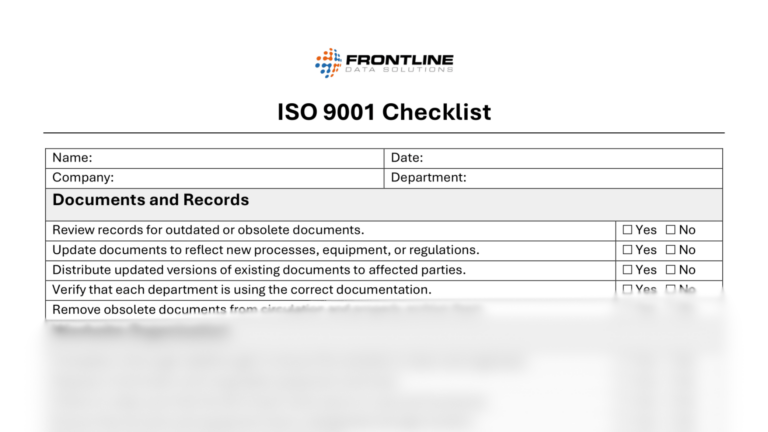
Free checklist!
This simple checklist includes the general tasks you need to complete before implementing the ISO 9001 framework. Key responsibilities often fall to top management, especially in guiding ISO 9001 strategies, a core aspect of top management responsibilities.
Setting the tone for quality management
Company leaders should set the tone for quality management within the organization. Basically, this involves communicating the importance of ISO 9001 to employees and demonstrating how it aligns with the organization’s vision, mission, and values.
This message should be consistent throughout the implementation process to ensure that everyone understands the objectives and their roles within the larger system.
Allocating resources
ISO 9001 implementation, like any improvement strategy, requires personnel, time, and money to achieve. Top management is responsible for allocating the resources needed for successful adoption of the framework and management of ISO 9001 standards, focusing especially on the commitment of top management to ISO 9001 initiatives.
Here are some of the expenses that you should consider:
- ISO 9001 training
- New process equipment
- EHS software
- Additional hiring of frontline employees
Leading by example
Leading by example is a critical tenet to live by if you’re trying to make any positive changes to the culture within your organization. Ultimately, culture dictates the direction of the entire company, and it’s important that top management under ISO 9001 leads this cultural shift.
When it comes to adopting new strategies, you’ll need a good relationship with your employees to achieve your goals. Demonstrating your commitment to ISO 9001 by following the standard yourself is just one way you can lead by example.
Ways to do this include:
- Attending training sessions
- Participating in audits
- Actively promoting quality management tactics
By doing so, you can establish a culture of quality throughout the organization, which is a key goal of top management under ISO 9001 certification processes.
Encouraging employee involvement
To achieve ISO 9001 certification, everyone must be involved in the implementation process. If you’re a manager at the top levels of the company, you should be encouraging all employees to work towards ISO compliance, ensuring that senior leaders exemplify ISO 9001 practices, fully understanding their top management role in ISO 9001.
Even if you can’t walk the floor very often, you can encourage employee involvement by:
- Ensuring that there are regular training sessions
- Establishing communication channels for feedback
- Recognizing and rewarding employees who follow the ISO 9001 framework
This approach fosters a culture of continuous improvement and ensures that everyone is invested in the implementation process led by top management, which is vital under ISO 9001 guidelines.
Monitoring and reviewing progress
ISO 9001 requires regular monitoring and review of processes to ensure that they are working effectively. Generally, to do this, you need to determine which metrics you’ll track and implement a standard reporting system.
That way, all senior leaders will have visibility over the company’s quality management systems. Methods of monitoring include:
- Conducting regular internal audits
- Reviewing progress reports
- Making changes to the quality management system
Tracking ISO compliance
Top management’s primary role in ISO 9001 compliance is to provide the resources necessary for compliance and to create a culture where workers feel encouraged to follow the framework, embodying the key principles of top management commitments under ISO 9001.
If you’re looking for a simplified way to track all compliance measures, not just those for ISO 9001, I’d suggest looking into an EHS software system like the one we offer at Frontline.
Our software centralizes your EHS data so that you can have better oversight over all areas of compliance. And it’s great for creating standard workflows for the operations, HR, and EHS departments as well.